Designing Sleep-Friendly Spaces: A Room-by-Room Guide to Better Rest
A room is more than a place to lie down; it’s an environment that tunes the senses, regulates the body, and frames daily life around rest. In this room-by-room guide, we explore practical, design-minded strategies to optimize every area of a bedroom for better sleep. Drawing on evidence-informed principles and credible bedding and interior brands, we weave together sleep science, ergonomics, and aesthetic clarity into a cohesive design philosophy that speaks to homeowners, renters, and design enthusiasts alike.
Foundations: The Sleep Environment Core
Before you reach for the duvet inserts or pillow inserts, establish a baseline for sleep-friendly conditions. The path to restorative nights begins with controlling light, temperature, and acoustics—three levers that medical and design research consistently identify as pivotal to sleep onset and maintenance.
Light: Prioritize dimmable lighting, blackout curtains, and warm-spectrum task lamps. Even small light leaks can disrupt melatonin and circadian rhythms. In a room aligned for sleep, light becomes a gentle cue rather than a wakeful signal.
Temperature: A cool environment—roughly 60–67°F (15–19°C)—supports sleep initiation and reduces nocturnal awakenings. Layer with breathable textiles that adapt to your body’s fluctuations through the night.
Acoustics: A quiet space reduces micro-arousals. Consider soft textiles, carpet or rugs, and strategic use of white noise if external sound is unavoidable.
These baseline conditions set the stage for the rest of the room’s design decisions, from bedding choices rooted in comfort to layouts that foster calm and ease.
Headboard, Mattress, and Spine: Alignment Matters
Ergonomics underpin a restful night. Spinal alignment depends on the interplay between mattress support, pillow loft, and head/neck posture. A well-chosen headboard and mattress arrangement can reinforce correct alignment, reducing pressure points that drive restlessness.
The bed itself is an anchor. In practice, this means selecting a bed frame that supports the mattress’ intended contour and ensuring the headboard position doesn’t encourage awkward neck angles when reading or watching a screen before sleep. Consider a firmer center for back sleepers or a bit more contour for side sleepers, matched to your preferred pillow loft.
Key takeaway: the room’s geometry should invite you to lie down with a natural, relaxed posture, not force it. Bedding that complements that posture—lofts, fill powers, and fabric textures—will lock in comfort as you drift toward deeper sleep.
Pillows: Loft, Fill, and Sleep Position
Pillows are as much a personal instrument as a design element. In a well-designed sleep space, pillows become the micro-adjustable component that can adapt to changing preferences and positions through the night. Consider the following family of pillows drawn from credible brands in the field:
Down-based pillows offer plush initial softness with resilient loft. They adapt well to back or side sleepers when paired with appropriate mattress support.
Down and feather blends can give a balanced feel—soft on the surface with a bit more cradling structure for neck alignment.
Feather-only cushions or lumbar inserts provide crisp contouring for targeted support, useful for alleviating specific pressure points.
Examples you’ll encounter in expert bedding lines include the Down Feather Lumbar Pillow Insert and luxury down pillows that combine loft with controlled density. When selecting a pillow, measure your own neck and shoulder width, and test loft height in your typical sleep position. A practical rule of thumb: stomach sleepers often benefit from lower lofts; back sleepers can tolerate mid-loft; side sleepers frequently require higher lofts to keep the spine aligned.
For a concrete example, the Down Feather Lumbar Pillow Insert from Coyuchi demonstrates an ideal combination of down-proof organic cotton shell with a balanced feather-down fill. Its 230-thread-count shell encases a 90/10 feather-down blend, delivering soft loft with steady lumbar support—a micro-innovation that can meaningfully improve alignment for many sleepers. (Product snippet: Down Feather Lumbar Pillow Insert, Coyuchi, 14x36 inches, 88.00 USD.)
In the broader ecosystem of pillows, decorative pillows and inserts—such as those from Sferra or The Clean Bedroom—play a role in aesthetics and optional support, while practical inserts (like lumbar variants) improve comfort without compromising style. The balance between form and function is most effective when pillows are treated as part of a layered, adaptable sleep system rather than a single fixed accessory.
Bed Linens and Comforters: The Breath of a Room
Sheets and comforters are the tactile interface between the sleeper and the environment. The right sheet set—varying in weave, thread count, and fiber content—can contribute to a cooler, drier night, or a cozier warmth. A percale weave typically yields a crisp, breathable feel that’s ideal in warmer climates or for hot sleepers. Sateen offers a smoother hand and a bit more warmth, suitable for cooler seasons or personal preference for a softer touch. Certifications, such as GOTS for organic cotton, help signal sustainability and skin-friendliness.
In comforters, down and feather fillings dominate, offering warmth through loft optimization rather than bulk. A well-made duvet insert works with the bedding system to provide warmth without weight, distributing heat evenly to minimize hot spots. Examples in the market include lightweight down duvet inserts designed for warm sleepers and heavier weights for cooler rooms. Consider a duvet with stitch-through or boxed construction to prevent fill shift, ensuring consistent loft throughout the night.
Case in point: Naturepedic Down Duvet Insert Comforter blends premium down fill with an organic cotton shell—an archetype of the clean, durable, sleep-centric design ethos. Its box pattern and certified materials ensure warmth without excessive bulk, aligning with restful nights across seasons.
Room-by-Room Playbook: Practical Checklists
To translate theory into action, here is a concise, room-by-room checklist you can implement this weekend. The aim is to create a cohesive sleep environment that is calm, breathable, and adaptable to changing seasons and routines.
Master Bedroom: Start with window treatments that control light and a mattress that supports your spine’s natural curvature. Pair with a designed pillow ladder: a mix of lofts to accommodate your partner or alternates for seasonal changes.
Closet and Nightstand: Keep the nightstand free of clutter to reduce cognitive load at bedtime. Store a lightweight blanket or throw for seasonal variation and easy layering without overbulking the bed.
Lighting: Use layered lighting—overhead dimmable fixtures, bedside lamps with warm bulbs, and blackout shades for mornings. Create a near-dark zone for sleep transition while preserving ambience for winding down.
Textiles and Texture: Layer textures that signal calm—cotton sateen blenders, linen accents, and wool blends. Textural variety helps the brain parse the space as a sanctuary rather than a work zone.
Airflow and Humidity: Maintain a comfortable microclimate with breathable sheets, moisture-wicking textiles, and a fan or air purifier if needed to suppress ambient noise or allergens.
Seasonal Refresh: A Lightweight Web of Change
Seasonal shifts invite micro-adjustments. In spring and summer, emphasize breathable fabrics, lighter duvets, and cooling sheets. In autumn and winter, layer warmth with more loft in pillows and a slightly heavier duvet insert. A modular approach—interchangeable pillow inserts, nightwear that matches temperature, and a duvet cover coded by season—helps maintain a consistent sleep experience without requiring a full redesign.
Brand partnerships and credible references are essential here. For instance, Sleep and Beyond’s wool comforters and organic cotton options illustrate how natural materials can regulate temperature and wick moisture during transitional seasons. A Wool myComforter, noted for natural thermo-regulation, underscores the value of adaptive textiles in a sleep ecosystem that’s both comfortable and sustainable.
A Brand-Forward Resource Hub: Evidence-Informed, Non-Commercial
A credible sleep-environment guide benefits from curated references to reputable sleep research and design standards, while avoiding overt product saturation. The aim is to provide actionable, non-commercial guidance with optional product references that illustrate best practices. A hub-style approach supports readers who want to learn the science behind the design, then apply it by selecting products with transparent materials, ethical sourcing, and durability.
In this vein, a non-commercial resources hub can reference brands with robust ethics and quality control, such as organic cotton certifications, Responsible Down Standards (RDS) for pillows, and GOTS-certified textiles for blankets. The hub can include checklists, reference articles, and guidance from sleep researchers and interior designers who emphasize evidence-based best practices for the sleep environment.
Body of Evidence: Three Key Figures Across Time
To anchor this design narrative, consider three influential individuals from different periods who have shaped our understanding of sleep, comfort, and interior space.
Hippocrates (c. 460–370 BCE): A founder of medical thought who recognized the links between health and daily routines, including rest. Though not a sleep scientist in the modern sense, his holistic approach to living laid groundwork for later ideas about environment and well-being—an intellectual ancestor to today’s sleep hygiene principles.
Charles A. Murray (19th–20th century): A design theorist who influenced the aesthetics of domestic space, emphasizing comfort, ergonomics, and the relation between form and function in the home. Murray’s ideas echo in today’s room-by-room design frameworks, where comfort is not cosmetic but functional for restorative living.
Dr. Michael J. Breus (late 20th–21st century): A recognized sleep expert, Dr. Breus has contributed to public understanding of sleep through accessible guidance and evidence-based principles. His work underscores the central thesis of this article: the sleep environment matters and can be optimized with deliberate design choices grounded in science.
These figures serve as a reminder that rest is both an art and a science—transcending eras while continually informing contemporary design practice.
Product Spotlight: A Practical Example from The Clean Bedroom
In a room that values sleep-friendly design, certain products can epitomize the integration of comfort, design, and ethics. Consider the Down Feather Lumbar Pillow Insert from Coyuchi. This down-proof, 230-thread-count organic cotton shell houses a fill of 90% feathers and 10% down sourced from audited Indiana farms. It is designed to pair with decorative covers, delivering lasting fullness for lumbar support—an unobtrusive but meaningful amenity for a bed that doubles as a sanctuary of rest. This insert demonstrates how a single accessory can contribute to spinal alignment and overall comfort without adding visual clutter or excessive bulk.
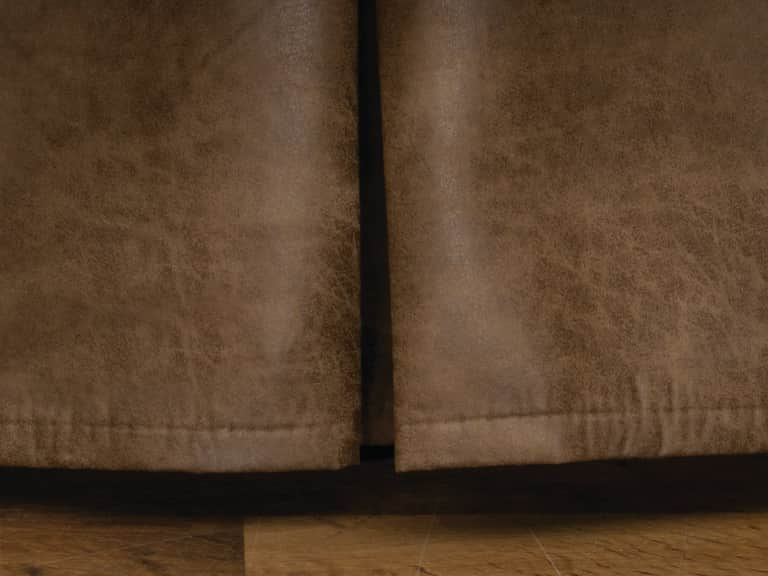
Another strong example is the Paloma Earth Bed Skirt from Wooded River. While technically a bed accessory, its presence anchors a nature-inspired aesthetic, grounding the bed’s composition with earthy tones and durable wool textures. Such pieces illustrate how the non-primary bedding items interact with the core sleep system to create a cohesive, restful environment.
Earth-toned bed skirt in Signature Wool pattern, coordinating with Paloma Earth bed set.
Price: 240.00 USD
These items illustrate how a design-forward room can respect sustainability and comfort. The goal is not to overwhelm with product, but to show a practical path where ethically sourced textiles and well-constructed accessories support a restful sleeping environment. Readers are invited to sample these ideas, then tailor materials and textures to their own climate, budget, and aesthetic sensibilities.
Non-Commercial Resource Hub: References and Further Reading
To maintain credibility and depth, a design-focused sleep guide should provide references to reputable sleep science and interior design standards. Suggested references could include peer-reviewed sleep research on sleep environment optimization, guidelines for light exposure, temperature regulation, and noise reduction, as well as product ethics certifications (RDS, GOTS, and organic certifications) that help readers make informed choices. The hub can also host quick-start templates, seasonal checklists, and a curated list of design-friendly, evidence-based sources.
In keeping with the domain’s imagery and potential directions, the hub remains non-commercial by foregrounding public-interest information, practical room-by-room techniques, and non-promotional references. Readers may then decide which specific products to explore from vetted brands, each chosen for their alignment with comfort, sustainability, and design integrity.
Homepage Wireframe: Visualizing Comfort by Design
The homepage should embody the theme “Comfort by Design.” It can feature a clean, editorial layout with strong typography, a navigation that highlights Bedding, Pillows, Sheets, Comforters, and a Resources hub. Key sections might include:
Hero banner with a soft, neutral palette and a brief value proposition: “Designing Sleep-Friendly Spaces for Restful Living.”
Room-by-room spotlight tiles that link to deeper guides (Bedroom, Nook, Master Suite, Guest Room).
Evidence-based tips panels: light, temperature, acoustics. Each panel links to a relevant explainer post.
Product spotlights with ethical sourcing highlights and a “Learn more” link to the hub.
Resources hub with downloadable checklists and a reference to reputable sleep research sources.
Conclusion: Rest as a Design Objective
Sleep is a foundational element of health, mood, and productivity. By approaching the bedroom as a designed space—carefully balancing light, temperature, acoustics, and a layered bedding system—you create an environment that signals calm, supports healthy sleep, and invites restful living. The room-by-room guide presented here blends design sensibility with evidence-informed practice and credible product references, creating a practical framework for readers to build their own sleep-forward spaces.
Sink into steady loft and soft support with our down-proof, organic cotton pillow insert—feathered 90/10 blend, crafted in Indiana for lasting shape and easy care. Perfect for decorative or lumbar comfort in any seat.
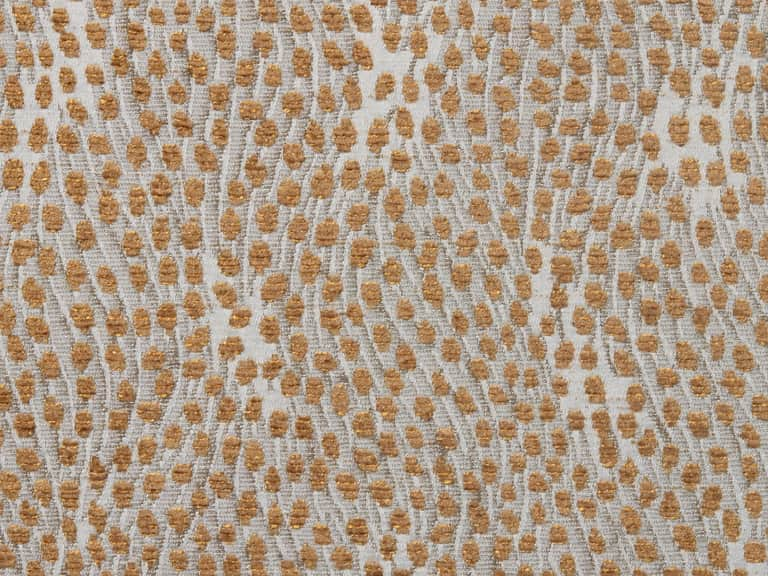
Experience cozy luxury with a textured jacquard that feels inviting on any sofa or bed, while durable fibers hold up to daily use. Lofty feather-down fill delivers cushioned support and plush comfort in a versatile, modern palette.
Cozy, inviting comfort meets effortless upkeep with the Paloma Earth Bed Skirt. Its plush feel and earthy tones pair beautifully with the Paloma Earth set, giving your room a grounded, coordinated look that blends effortlessly with any decor.